























Rugosa Roses: The Wildly Romantic, Nearly Indestructible Roses Every Garden Needs
By Heidi Mortensen - Grace Rose Farm
Among the many rose families we grow and adore at Grace Rose Farm, few are as enchanting—or as misunderstood—as the humble, hardy, utterly romantic Rugosa rose. With their textured foliage, intoxicating scent, and legendary resilience, Rugosas are a living link to wild roses of centuries past.
If you garden in harsh winters, sandy soil, salty air, or simply want a no-maintenance landscape that still delivers beauty, Rugosas may be the roses you’ve been searching for.
🌿 Rugosa Rose Fast Facts
- Native to coastal regions of Japan, Korea, and northeastern China
- Exceptionally winter hardy (often to Zone 3)
- Tolerant of salty air and sandy, poor soils
- Highly disease resistant with thick, textured foliage
- Produce huge, vitamin C–rich rose hips for fall and winter interest
A Brief History: Roses Born of Wind, Sand, and Sea
Rosa rugosa originates from the windswept coasts of Japan, Korea, and northeastern China, where they evolved to thrive in dune sand, relentless wind, and salt spray. Their thick, wrinkled leaves (the word “rugosa” means “wrinkled”) and deep root systems allow them to survive conditions that would destroy most other roses.
By the 1800s, these tough beauties had captured the attention of European gardeners with their fragrance, resilience, and charming simplicity. Breeders began crossing Rugosas with modern roses to create improved forms that retained the rugged constitution of their wild ancestors—including many of the beloved varieties we enjoy today.
Today, Rugosa roses remain some of the most disease-resistant, winter-hardy, and low-maintenance roses ever bred. For gardeners who want beauty without fuss, they are unmatched.
What Makes Rugosa Roses Different?
1. Unmistakable, Textured Foliage
Rugosa foliage is one of their signature traits—deeply veined, matte, and beautifully quilted. The leaves are thick and leathery, which makes them naturally resistant to many pests and diseases. Even in the heat of summer, the foliage stays lush, rich green, and remarkably clean without spraying.
2. Incredible Winter Hardiness
If you garden in colder climates, Rugosas are legendary. They don’t just survive winter; they practically revel in it.
- Minimal cane dieback even in harsh winters
- Excellent performance in Zones 3–5
- Early to leaf out and quick to repeat bloom once the weather warms
In very cold regions, allow Rugosas to keep their natural shape. Heavy pruning isn’t necessary and can actually reduce their winter resilience and bloom power.
3. Built for Coastal Gardens: Salt & Sand Tolerant
Rugosas naturally thrive in salty air, sandy soils, coastal wind, and even slightly brackish irrigation. They are a dream choice for:
- Beach houses and coastal cottages
- Dune stabilization and seaside plantings
- Roadside landscapes exposed to winter salt
- Windbreaks and exposed hillsides
Where other roses struggle or fail, Rugosas often flourish with almost no extra care.
4. Huge, Vitamin C–Rich Rose Hips
Once the blooms fade, Rugosas reward you with some of the largest hips in the rose world—plump, tomato-like, and brilliant orange to red. These hips are:
- Extremely high in vitamin C
- Beautiful for fall and winter interest
- Beloved by birds and wildlife
- Traditionally used for teas, jellies, and syrups
🍊 A Four-Season Rose
Rugosa roses bring spring and summer blooms, intoxicating fragrance, and then a finale of glowing hips that carry color and interest right into winter.
How to Use Rugosa Roses in Mass Plantings
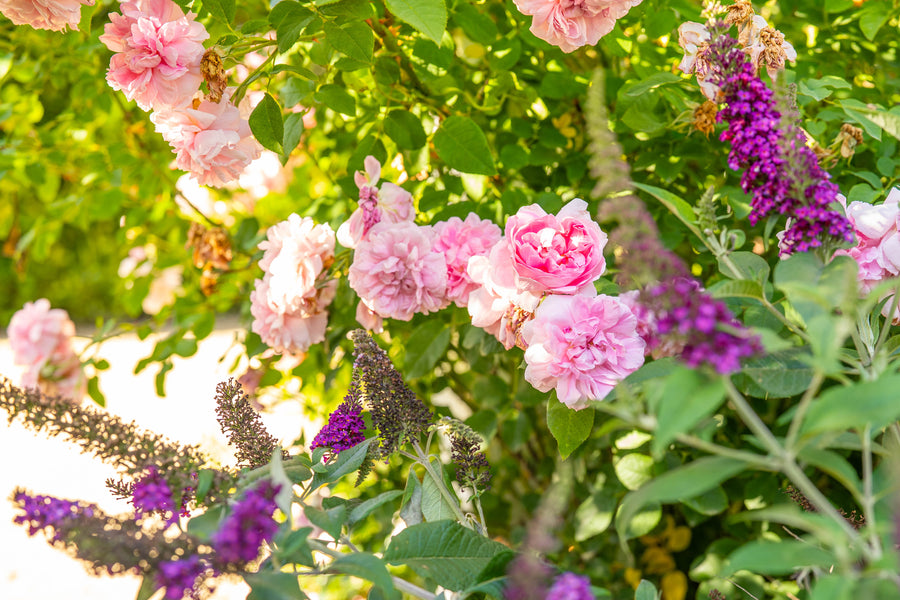
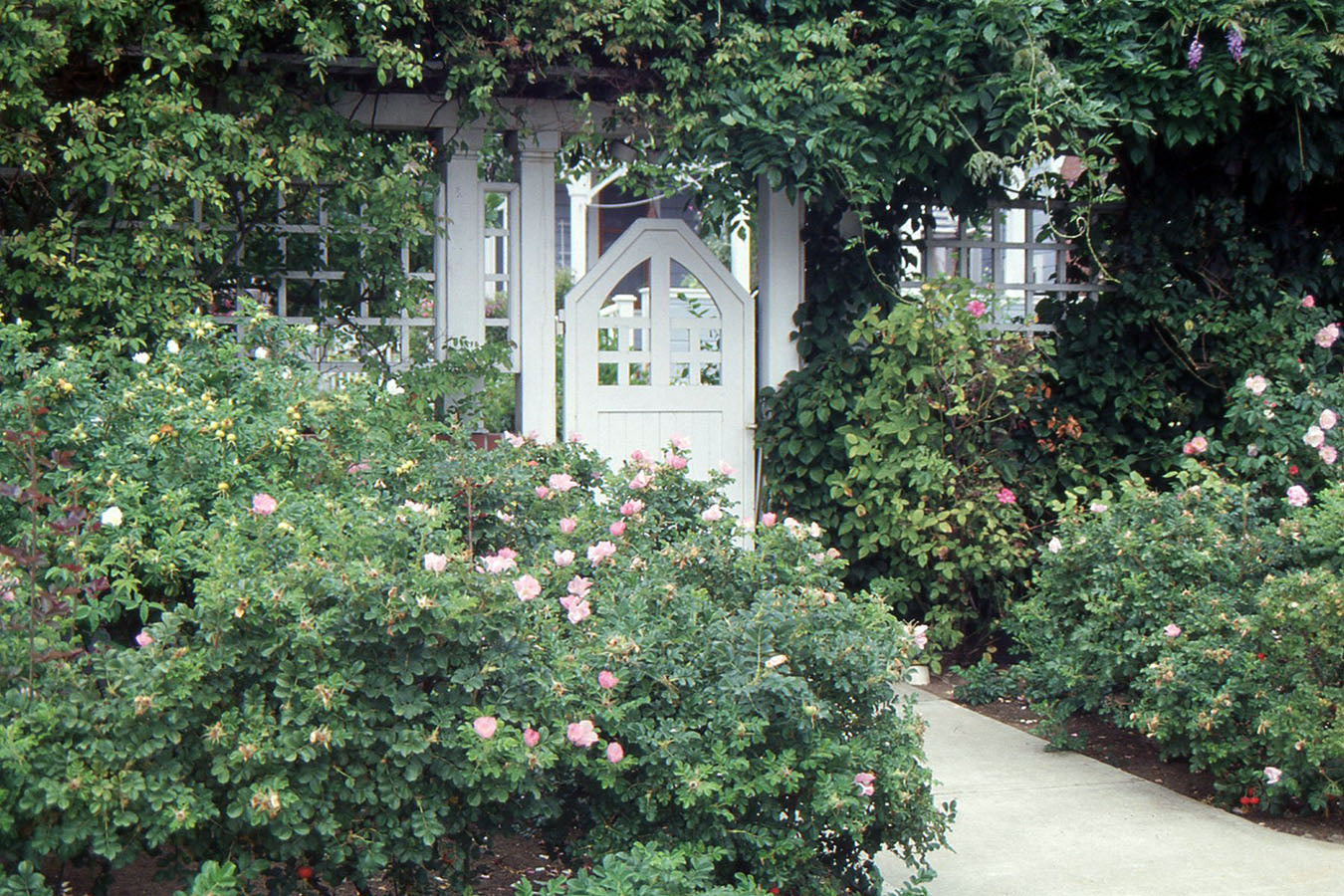
Rugosas are exceptional landscape shrubs when used in groups or sweeps. They offer structure, color, fragrance, and durability at scale.
Design Ideas for Mass Plantings
- Seaside hedges lining driveways, dunes, and pathways
- Property boundaries where you want privacy and low maintenance
- Pollinator corridors filled with repeat blooms and hips for wildlife
- Slopes and banks where their deep roots help stabilize soil
- Large cottage-style borders for fragrance and texture
For a dense hedge, plant Rugosas about 36–48 inches apart. For a more natural, relaxed mass, you can space them 48–60 inches apart. Over time, they knit together into a fragrant, flowering hedge that glows with hips in autumn.
Perfect for No-Maintenance Landscapes
If you love the idea of roses but don’t have time for spraying, meticulous pruning, or intensive care, Rugosas are for you. They are some of the best roses you can choose for no-maintenance or low-maintenance landscapes.
- Exceptional disease resistance—often no need for spraying
- Drought tolerant once established
- Cold and heat tolerant in a wide range of climates
- Minimal pruning required—many look best left in their natural shape
- Self-cleaning blooms on many varieties
- Vacation homes and second properties
- Large rural or coastal landscapes
- Public and municipal plantings
- Wildlife and pollinator gardens
- Busy families who still want the magic of roses
Rugosa Varieties We Love
Each of these Rugosa roses brings its own color, fragrance, and personality to the garden, while keeping the classic toughness the family is known for.
🌸 Frau Dagmar Hartopp (a.k.a. ‘Frau Dagmar Hastrup’)
A beloved classic with soft silvery-pink blooms, a simple single to semi-double form, and a spicy rose fragrance. The plant forms a rounded shrub clothed in beautiful Rugosa foliage and finishes the season with large, glowing orange hips.
❤️ Linda Campbell
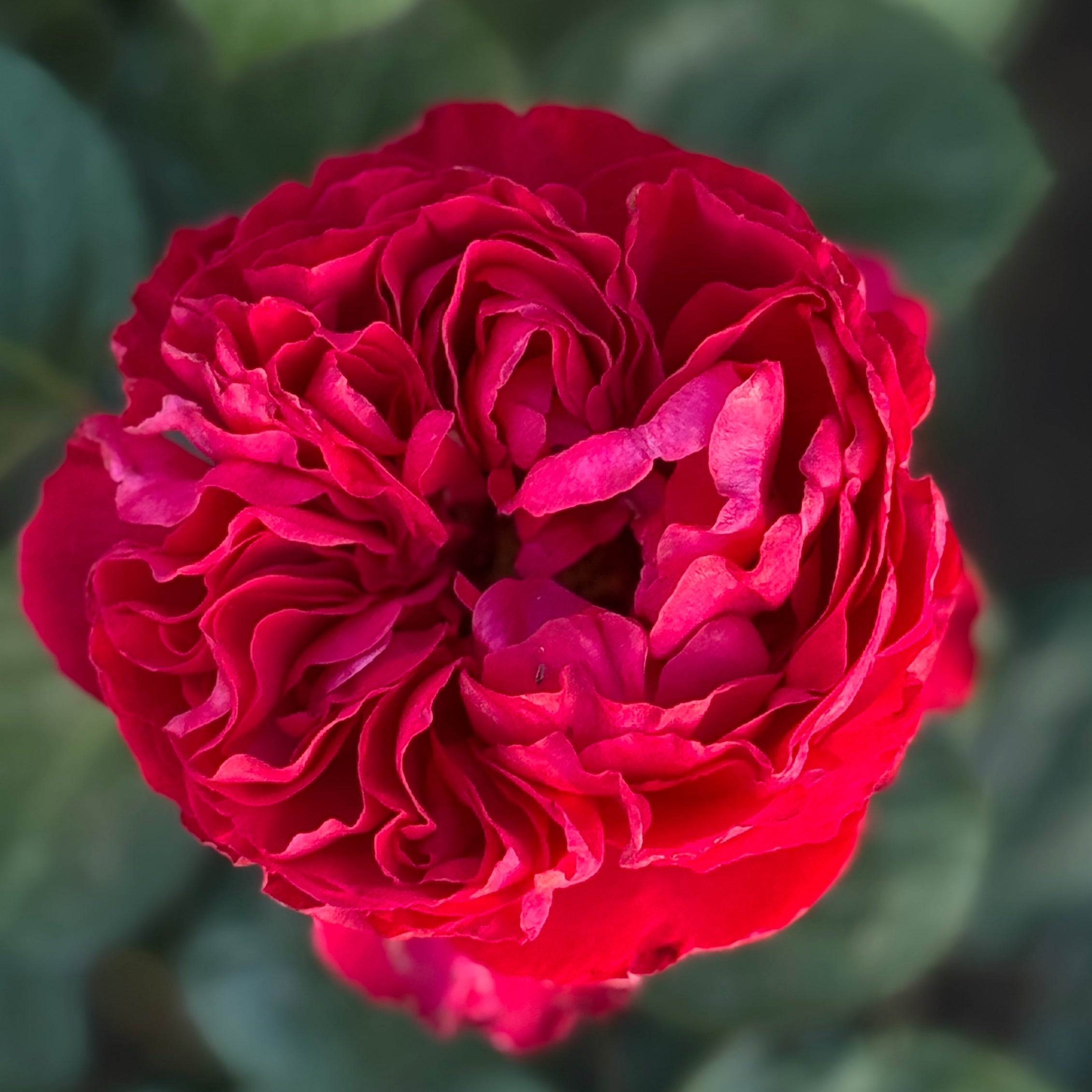
One of the finest red Rugosa hybrids, ‘Linda Campbell’ produces clusters of deep red blooms on a vigorous, compact shrub. It’s excellent for hedges, mass plantings, and any spot where you want bold color and rugged performance.
💜 Moje Hammarberg
A rich purple-magenta Rugosa with intensely fragrant, cupped blooms and strong, bushy growth. ‘Moje Hammarberg’ is especially prized in coastal and cold-climate gardens for its hardiness and continuous color.
🤍 Blanc Double de Coubert
A luminous white Rugosa with crinkled petals and powerful perfume. ‘Blanc Double de Coubert’ is perfect for moon gardens, formal plantings, or as a cooling accent among deeper-colored roses. Its contrast with dark green Rugosa foliage is striking.
🌼 The Pavement Series
Bred for urban and coastal landscapes, the Pavement series offers compact growth, repeat bloom, and strong fragrance in a palette of colors:
- Pink Pavement – soft pink blooms on a tidy shrub
- Purple Pavement – rich purple flowers with a romantic look
- Red Pavement – vibrant red blooms for bold hedges
- Snow Pavement – soft white to blush blooms with a delicate appearance
These make outstanding low hedges, foundation plantings, and coastal masses where ease of care is essential.
Why Gardeners Fall in Love with Rugosas
There’s something beautifully old-world and comforting about Rugosa roses. They feel like roses from another era—wild, fragrant, rugged, and full of personality. They give beauty even when neglected, stand strong through storms and winter, and offer fragrance and hips that connect us to centuries of herbal and garden tradition.
At Grace Rose Farm, we believe Rugosas are essential for every gardener—especially those who want roses that are both beautiful and nearly indestructible. If you garden near the coast, in challenging climates, or simply crave a low-maintenance landscape with four-season interest, a Rugosa hedge or mass planting might be your next great love story in the garden.
Happy gardening!
Heidi