
Growing Blueberries at Home: A Harvest That Feeds the Soul
Blueberries aren’t just a crop—they’re a seasonal tradition. Here’s how to grow them successfully, choose varieties for a long harvest, and pair them beautifully with roses in a home garden.
A Childhood Rooted in Blueberries
There are certain plants that shape you as a gardener long before you realize it. For me, blueberries are one of those plants—right alongside roses.
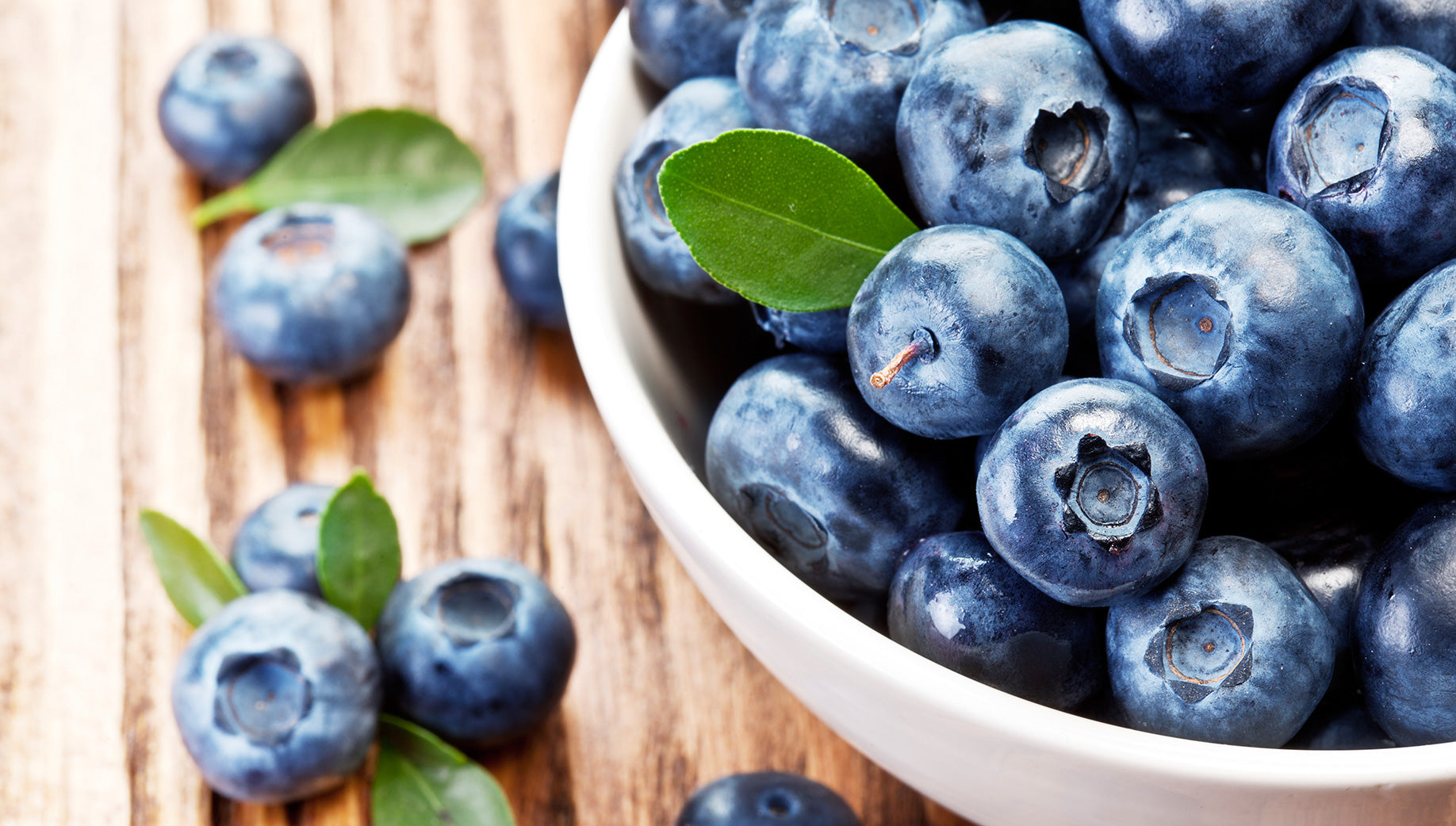
I grew up in Pennsylvania, where my family had around 30 blueberry plants. Every summer, we picked buckets upon buckets of berries. We ate plenty fresh, but we also froze them in containers and enjoyed them all winter long—blueberry pancakes in January, muffins in February, and berries stirred into oatmeal when the garden was asleep.
Some of my earliest gardening chores were blueberry chores—keeping them weeded, turning on the soaker hoses, and helping mulch every year. At the time it felt like work. Looking back, it was a gift. Those bushes taught me responsibility, observation, and a deep appreciation for how nature feeds us when we care for it well.
And to this day, there is nothing—nothing—like a sun-warmed blueberry fresh off the bush.
The Big Idea
Blueberries have shallow roots, so the key to thriving plants is simple and steady: consistent irrigation, generous mulch, and managing soil pH.
What Chill Hours Mean (And Why They Matter)
Blueberries (and many other fruiting plants) need a certain amount of winter cold to “reset” their growth cycle. This winter cold is measured as chill hours—the approximate number of hours temperatures stay in a cool range during dormancy.
- Your local extension office or state university horticulture resources
- Local orchard/fruit-grower guides (they often publish chill hour ranges for your county)
- Weather-based “chill hour calculator” tools (search using your city or nearest weather station)
Low Chill vs. High Chill Blueberries
Choosing the right chill type for your climate is one of the most important decisions you’ll make before planting.
- Best for colder winter regions (like where I grew up in Pennsylvania)
- Typically need ~800–1,000+ chill hours (variety dependent)
- Classic northern types with dependable crops
- Best for mild-winter climates
- Typically need ~200–600 chill hours (variety dependent)
- Essential for many southern/coastal gardens
The takeaway: match the variety to your winter. When you do, everything else becomes easier.
Early, Mid, and Late Season Varieties (Your Secret to “All Summer”)
One of the best blueberry strategies is planting for succession. A mix of early-, mid-, and late-season varieties gives you: better pollination and a long, steady harvest window.
- Kick off blueberry season
- Bright, fresh flavors
- Great for fresh eating
- The backbone of the harvest
- Heavy producers
- Excellent for freezing
- Carry you into late summer
- Often extra sweet
- Extend the season when other fruits fade
Plant at least two different varieties (even if they’re the same season) to improve cross-pollination and yield. Then layer in early + mid + late for the long summer harvest.
Soil Requirements: The Non-Negotiable
Blueberries are picky about soil, and they’re allowed to be—because when the soil is right, they thrive. When it’s not, they struggle no matter how much you love them.
- Ideal pH: 4.5–5.5 (acidic)
- Texture: well-draining (no standing water)
- Organic matter: high (think composted bark, peat alternatives, leaf mold)
Because roots are shallow, blueberries are very sensitive to compacted soil and high pH. If your native soil runs alkaline, consider raised beds or large containers so you can control the soil mix.
Water Requirements: Consistency Wins
Blueberries don’t have deep roots to “go hunting” for moisture. They need steady water—especially while fruit is developing. In my childhood garden, the soaker hoses were part of the routine, and for good reason.
- Soaker hoses or drip irrigation are ideal
- Water deeply and consistently—avoid “feast or famine” watering
- Keep soil evenly moist, especially in heat and during fruiting
Mulch: The Best Insurance Policy You Can Buy
If I could give one piece of advice—one—it would be this: mulch your blueberries generously and faithfully. We mulched every single year. It protected roots, reduced weeds, and helped hold moisture right where the plant needed it.
- Pine bark
- Pine needles
- Wood chips (aged is best)
- Leaf mold
Keep mulch a few inches away from the crown of the plant, and replenish as it breaks down.
Pruning Requirements: A Little Each Year Adds Up
Blueberry pruning isn’t complicated, but it matters. The goal is simple: keep the plant productive, open, and renewing itself with healthy canes.
- Prioritize establishment
- Remove weak or broken growth
- Don’t over-prune
- Remove the oldest canes as needed
- Encourage new cane growth from the base
- Keep the center open for airflow and light
Blueberries + Roses: A Companion Gardening Pairing
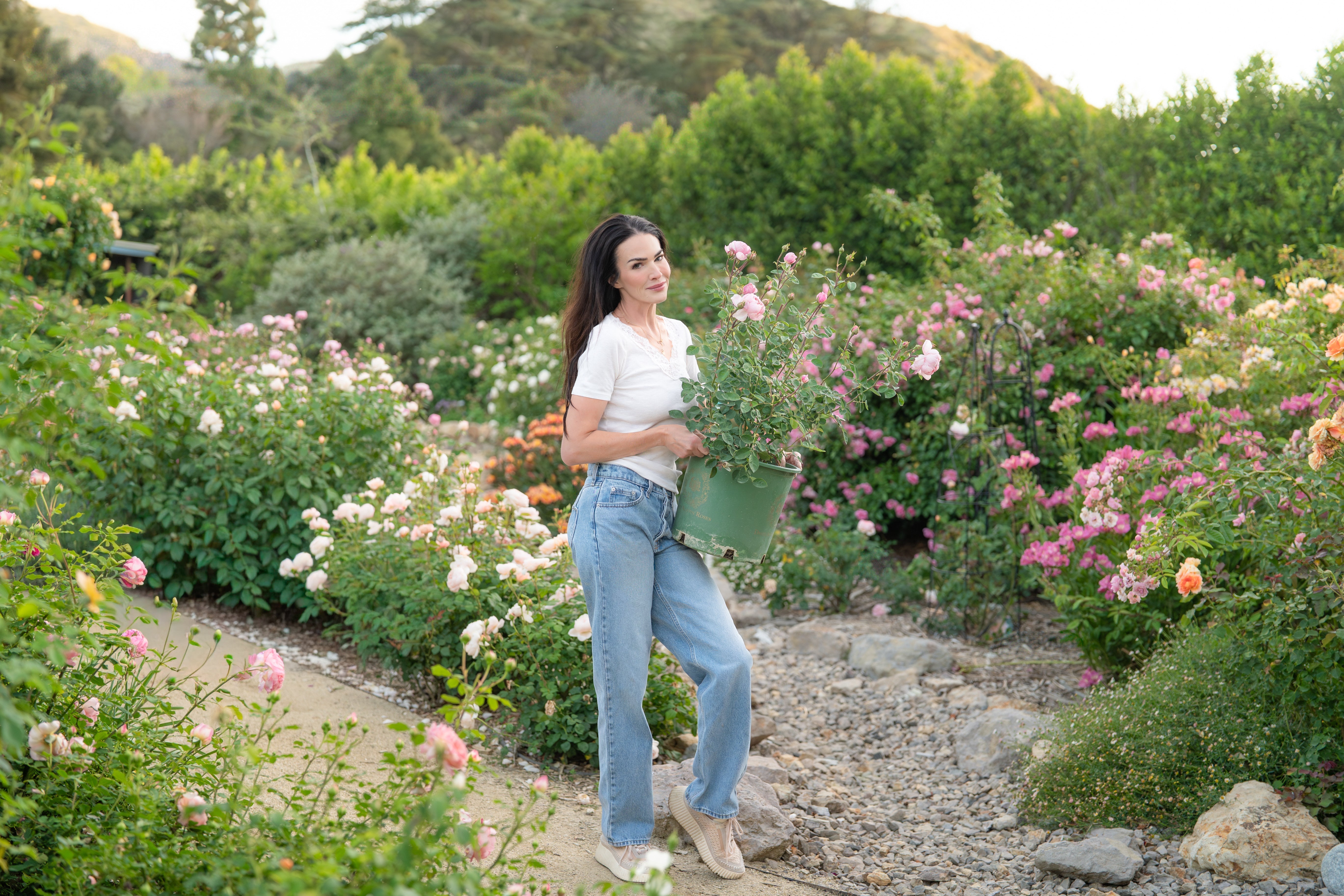
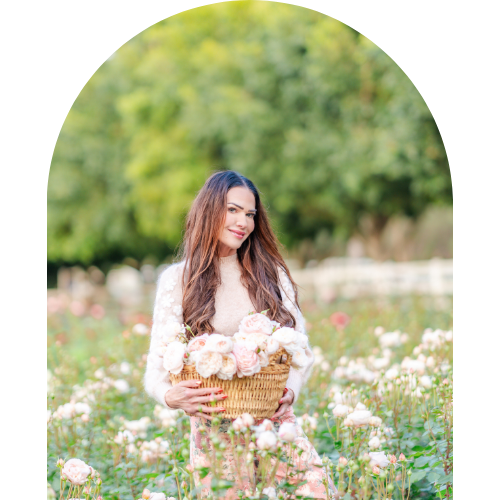
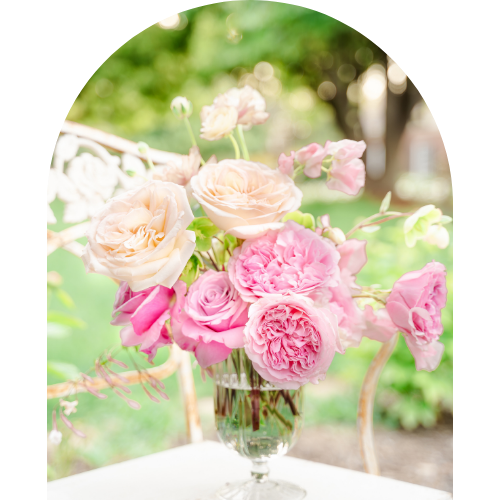
I love the idea of a garden that feeds you and fills your home with beauty. If you grow roses for bouquets, blueberries fit that same lifestyle—seasonal rituals, daily tending, and the reward of harvesting something you raised.
How to design a “Roses + Blueberries” garden
- Use blueberries as a flowering edible hedge behind or beside rose beds—spring blooms, summer fruit, fall color.
- Keep irrigation intentional: blueberries prefer consistent moisture; many roses also love steady deep watering, especially during bloom cycles.
- Mulch is the bridge: both benefit from mulch for moisture retention, weed suppression, and root health.
- Give them their own soil zones: blueberries need acidic soil; roses generally prefer closer to neutral. Use raised beds, berms, or dedicated planting areas so each plant gets what it needs.
- Back row: blueberries (mulched, drip/soaker line)
- Front beds: roses with a separate soil mix and mulch
- Path between: easy harvesting + easy bouquet cutting access
The magic is having something to pick almost every week—berries for the kitchen, roses for the table. It turns your home into a place that feels abundant.
The Deeper Reward of Growing Your Own
Blueberries gave me more than fruit as a child—they gave me a relationship with the seasons and a sense of pride in caring for something that cared for us back. That’s the same feeling I get from growing roses for bouquets: the quiet reward of tending, learning, and harvesting beauty.
And when you step outside and taste a blueberry still warm from the sun, you understand why gardeners do what we do. It’s not just the harvest—it’s the life around it.
Happy Gardening,
Heidi