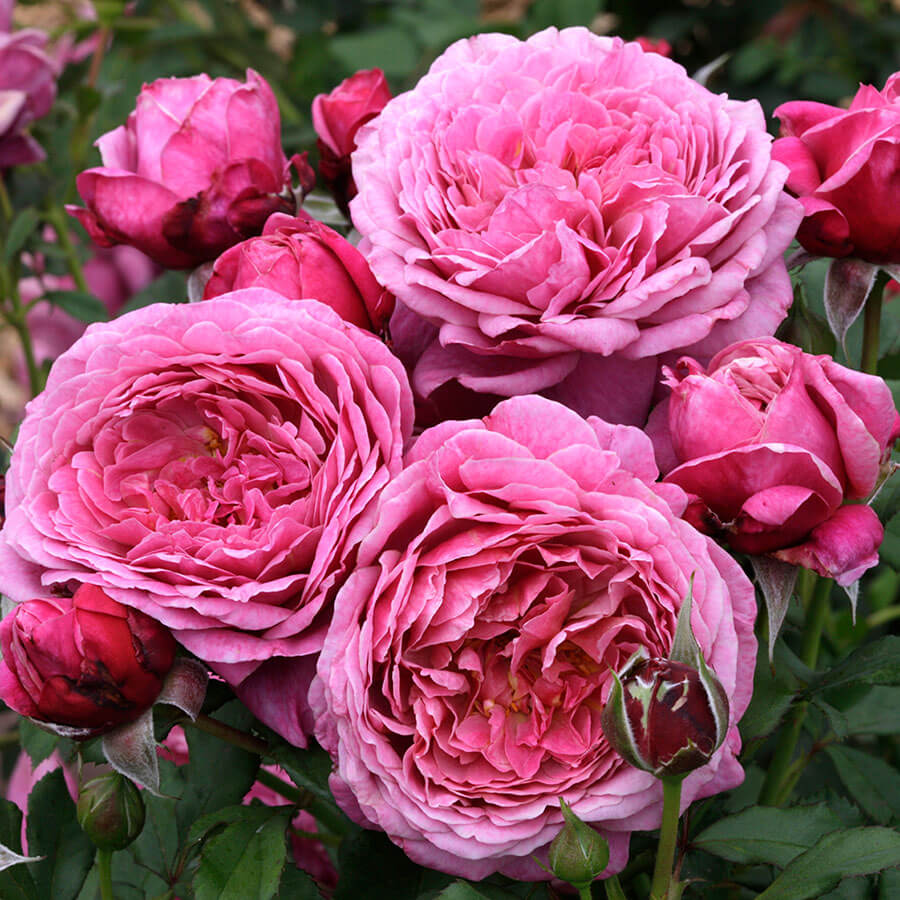




Everyday I receive numerous messages from people asking what the brown marks are all over their roses, specially in the heat of the summer. I don’t even need to see a photo to know it’s western flower thrips damage. Thrips are one of the top pests for rose growers and can be very hard to control once they make your garden their home. Thrips love to burrow deep into rose blooms where it’s nearly impossible to control them. They have a very fast reproductive cycle so populations can get out of control quickly. Thrips are most attracted to lighter colored roses and make growing perfect white and blush roses very tricky. When a thrips infestation is high, you will see not only brown streaks, but also deformed buds that won’t open and action must be taken.
Here are the ways we prevent and treat for thrips at our farm:
- Grasses and weeds are hosts for thrips. Keeping the soil and mulch around your roses free of debris is the first way to keep pest (and disease) pressure low in your garden.
- Releasing beneficial insects such as ladybugs, lacewings and minute pirate bugs will take down all life stages of thrips. If you have a bad infestation, a pesticide should be used first, then release beneficials to help control. You don’t want to kill your beneficials by spraying!
- We use several biological and natural pesticides for thrips prevention. BotaniGard ES, Spinosad, horticultural oil and neem oil products should be used in rotation because thrips develop resistance to pesticides. BotaniGard ES is especially great as a preventative for thrips. As always, read all instructions before spraying and wear protective clothing.
- Blue sticky traps, while not the most attractive in the garden, are wonderful at attracting thrips and trapping them.
One of the toughest part of thrips management is that they live inside the blooms where pesticides aren’t always going to reach. Pesticides are best sprayed on buds before blooms open. Often we will disbud plants with semi-open buds that have early thrips damage so we’re sure to remove all the thrips. It’s always sad to remove buds from our roses, but if thrips are living down inside the petals, its one way to make sure they’re eradicated. We then treat with a preventative pesticide such as BotaniGard ES.
The absolute best way to prevent thrips is to walk your garden daily! We typically walk our rose fields in the evenings as part of winding down for the day. We note anything that looks off and watch those plants carefully. Seeing your roses everyday, especially if you rely upon automatic irrigation, is essential to good plant health. By walking your garden and seeing your plants you will catch issues before they get out of control. It’s much easier to knock down thrips when you see a small amount of brown streaking on open blooms than when buds are completely deformed and not opening.
I hope this information helps you keep your roses thrips-free! Next week Susan Lyell of Restoration Rose is going to share her knowledge on the dreaded Japanese Beetles. Here in California we don’t have beetle issues, but I receive so many questions about them, so Susan will be here to give her advice!