


Article: Aoi Fuga
Aoi Fuga™


A Daughter of the Rice Fields
In a quiet village in 1300s Japan, where mist rested softly over the hills and water shimmered through the rice paddies, lived a girl named Aoi Fuga. At fifteen years old, she was already deeply familiar with labor. Each morning, she worked beside her family in the flooded fields, planting, tending, and harvesting the rice that sustained their household and supported their name within the village.
Their farm was more than land. It was livelihood, duty, and reputation. Aoi understood this well. She knew that every harvest mattered, every trade mattered, and every season brought both promise and uncertainty.
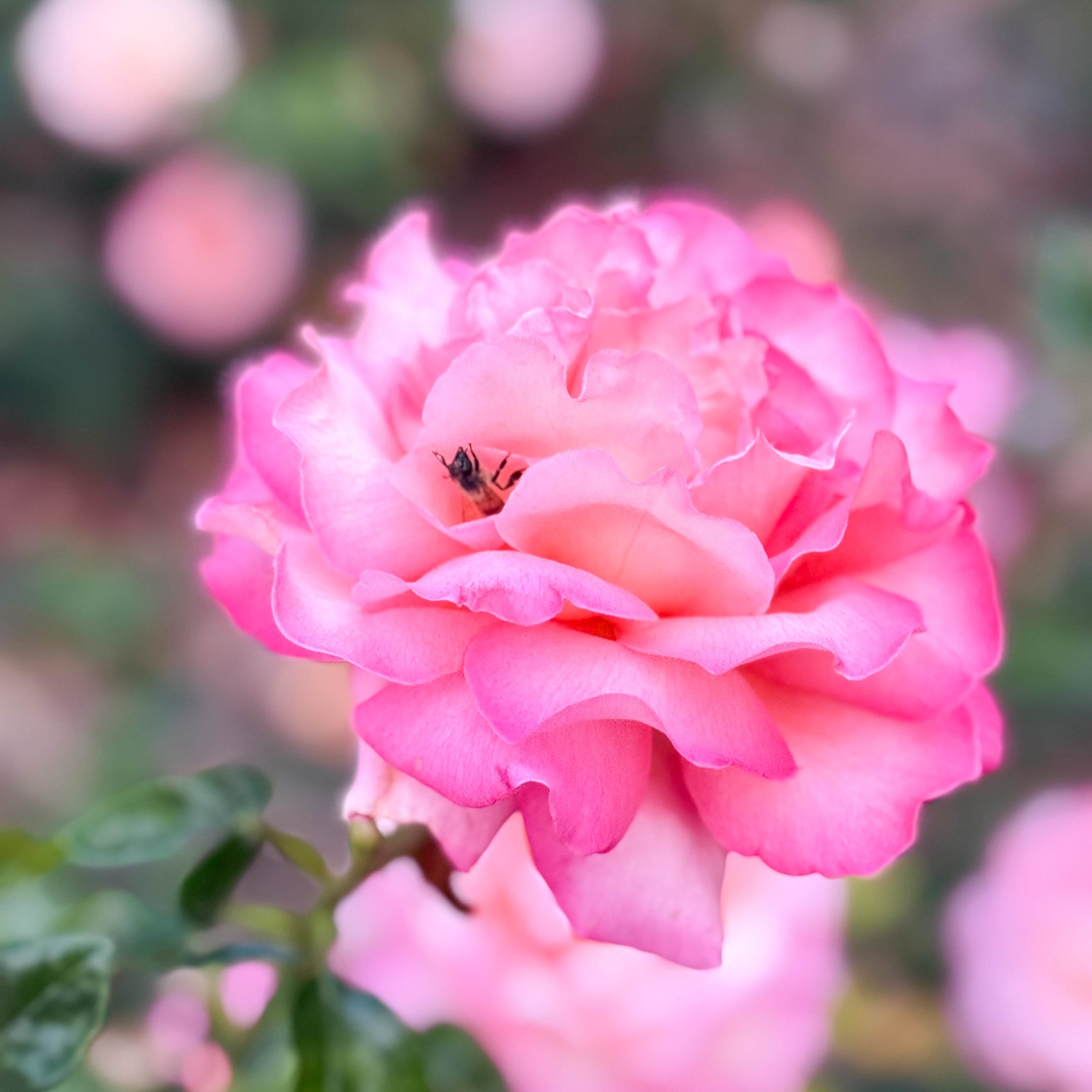
And yet, even in the middle of that practical life, Aoi carried another dream. Tucked beside the edges of the farm, where softer ground caught the sun, she imagined a garden filled with roses — flowers of layered beauty and quiet strength that seemed to hold meaning within every petal.
Others may have seen only a farmer’s daughter. But Aoi saw something more. She believed that beauty itself could help elevate a family, and that what was lovingly grown could bring both honor and opportunity.
“Perhaps,” she thought, “the hands that grow food can also grow something that stirs the heart.”
So while her feet knew the mud of the rice fields, her heart kept reaching toward roses — and toward a life where her family’s work could flourish in new ways.

Her Mother’s Wisdom
If Aoi inherited her tenderness from the garden, she inherited her strength from her mother.
Her mother was deeply involved in the business of the rice farm — watching inventories, speaking with buyers, overseeing exchanges, and making careful decisions that protected the family through both good years and difficult ones. She understood that success in the village did not come from hard work alone. It came from judgment, steadiness, reputation, and the trust of others.
She saw Aoi’s dream clearly and did not dismiss it as childish fancy. Instead, she encouraged it.
She taught her daughter that vision must be paired with discipline. That beauty without purpose fades quickly. That people remember not only what you sell, but how you behave. In her quiet way, she showed Aoi that true success is built carefully — one honest decision at a time.
When Aoi spoke of roses, her mother listened. When she imagined bringing more prosperity to the family through flowers, her mother did not laugh. Instead, she recognized a rare kind of ambition: not selfish ambition, but one rooted in service, family, and the desire to build something meaningful.
And because she believed in her daughter, she decided to place Aoi in the care of someone who could teach her how dreams become business.

The Merchant from Hoshitoge
Her mother introduced her to a wise old merchant named Shinta, a man from the village of Hoshitoge whose name carried quiet respect. He was known not merely for trading well, but for trading honorably. People trusted him. His word mattered. His fairness was remembered.
Under Shinta’s guidance, Aoi began to work alongside him selling rice. She observed how he greeted customers, how he measured value, how he listened before speaking, and how he made every exchange feel balanced and respectful.
“A sale made without trust is only for a day,” Shinta told her. “But trust well kept can feed a family for generations.”
He taught her how to price fairly. He taught her that things of beauty must not be undervalued, yet must never be offered with greed. He showed her how money moves through a household, how profit can strengthen a family, and how reputation is often the truest currency in a village.
Soon, he allowed Aoi to bring her roses alongside the rice. At first, they were only a small addition to the market table — quiet bundles of blooms arranged with care. But people noticed them. Then they noticed her.
And through Shinta, Aoi learned one of the most important truths of all: in business, honor and trust are not separate from success. They are the roots of it.

When Roses Became a Future
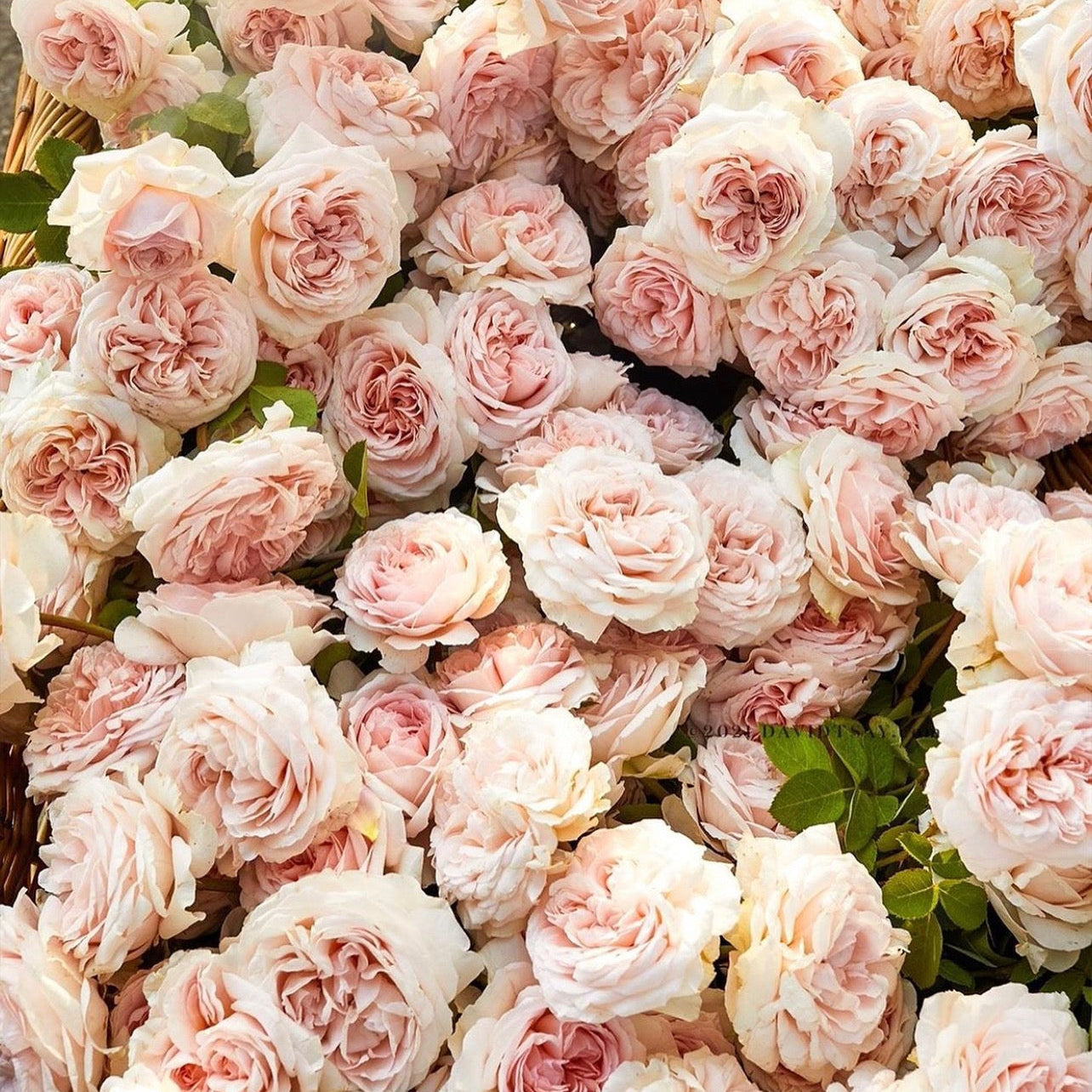
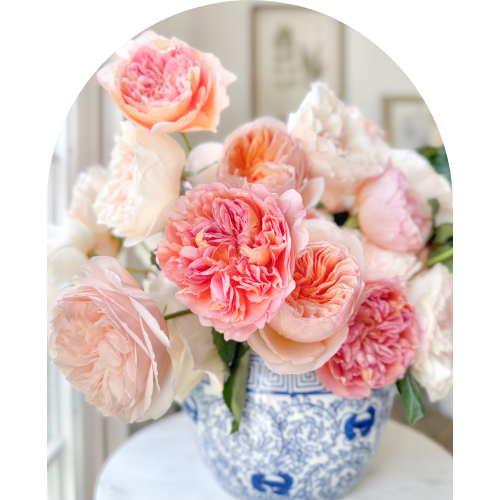
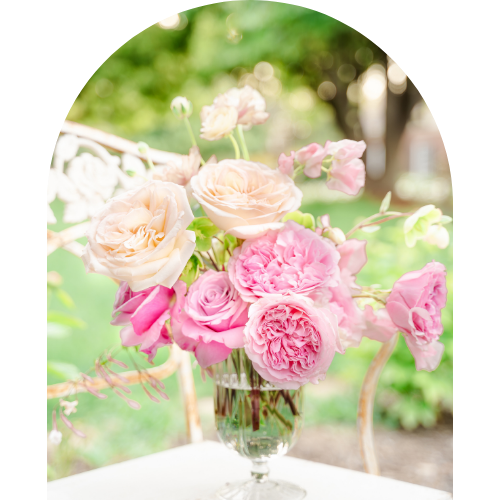
Aoi’s roses were unlike anything else in the market. Their colors carried the softness of dusk — smoky mauves, dusky pinks, and whispers of lavender. Their petals opened in graceful layers, and their beauty never felt loud or boastful. Instead, they seemed to embody calm, refinement, and quiet strength.
Aoi arranged them with care. She spoke of them honestly. She never pushed a sale. She never exaggerated their worth. And because she treated every customer with respect, people returned.
Her roses began to travel from house to house, brightening family tables, marking ceremonies, carrying sentiment, and bringing a softness into daily life that people remembered long after the petals fell. With each stem she sold, Aoi felt her dream taking shape.
The farm began to prosper more steadily. The family’s name was spoken with increasing warmth and respect. Their rice remained essential, but now there was something more — something that made their household distinct.
Aoi realized that she was not merely selling flowers. She was helping her family grow their business. She was building a bridge between labor and beauty, between practical work and lasting reputation.
And slowly, she understood that the roses she loved were not separate from her family’s future at all. They had become part of it.

The Honor She Grew
Years later, people would remember Aoi Fuga not simply as a girl who loved roses, but as a daughter who brought grace and prosperity to her family through diligence, beauty, and unwavering integrity.
She never forgot the rice fields that shaped her. She never forgot her mother’s wisdom or Shinta’s guidance. She understood that success was not built through cleverness alone, but through consistency, fairness, and care for the people one served.
In the quiet hours of evening, when the day’s labor was done, she would still walk among her roses and study them as she always had. In their petals she saw everything she had learned: patience, resilience, refinement, humility, and strength hidden within softness.
The village came to speak of her family’s name with renewed respect. Their business grew. Their standing deepened. And yet what Aoi treasured most was not wealth, but the knowledge that she had honored those she loved.
Aoi had dreamed of helping her family grow their business. She had dreamed of bringing them honor. And one careful bloom, one honest exchange, one trusted relationship at a time, she had done exactly that.
For Aoi Fuga learned what every great garden already knows: the most beautiful things in life are not forced into bloom. They are tended with devotion until their true nature is revealed.

and some bloom in the honor they help a family grow.”